
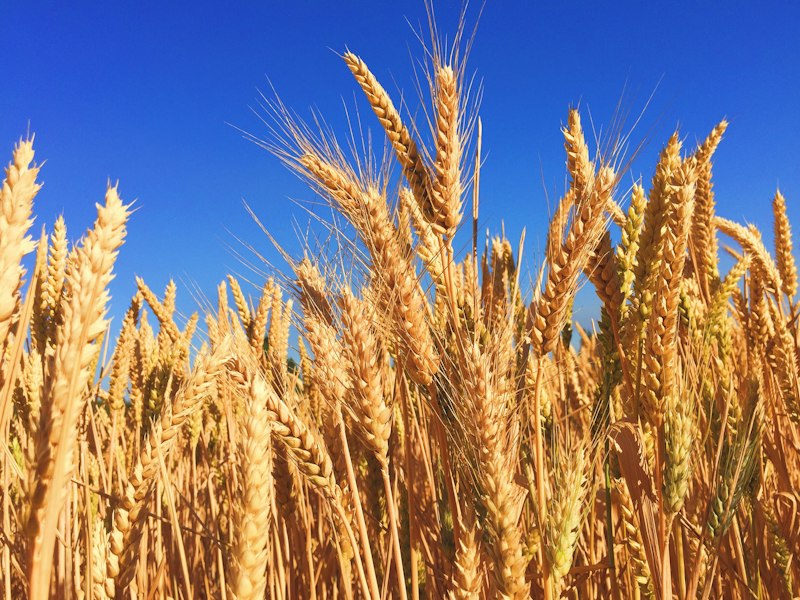
Discover the recommended line, the impurities to remove and the economic benefits of proper cleaning.
Impurities in the harvest: what enters the line
Before choosing machines, it helps to know what has to be removed: average sizes and the reason for the risk.
| Impurity | Average size | Why it is a problem |
|---|---|---|
| Straw and stalks | > 5 mm (long fraction) | Blockages in pneumatic conveying and ducts; unstable bulk density at milling. |
| Weed seeds | 1–4 mm | Colour contamination of the flour; possible off-odours. |
| Broken and low-weight kernels | < 1.5 mm sifted fraction | Higher first-break losses and lower flour yield. |
| Dust and light bodies | < 0.5 mm | Microbiological load, mycotoxin risk, premature filter wear. |
Benefits for downstream processing
Every impurity removed at intake produces a measurable benefit for downstream processing and for costs.
A well-tuned STVA tarar removes 8–12% of impurities before milling: every percentage point of impurity entering the rolls is flour sold that never gets made.
A leading cleaning section reduces wear on fluted rolls and sifters: longer maintenance intervals and a more stable mill diagram.
Fine cleaning cuts the bacterial load: fewer chemical silo treatments and lower hygiene costs.
Recommended machines
Every machine has a precise role in the cleaning diagram: the function, the right machine and, for each one, the tuning note that makes the difference.
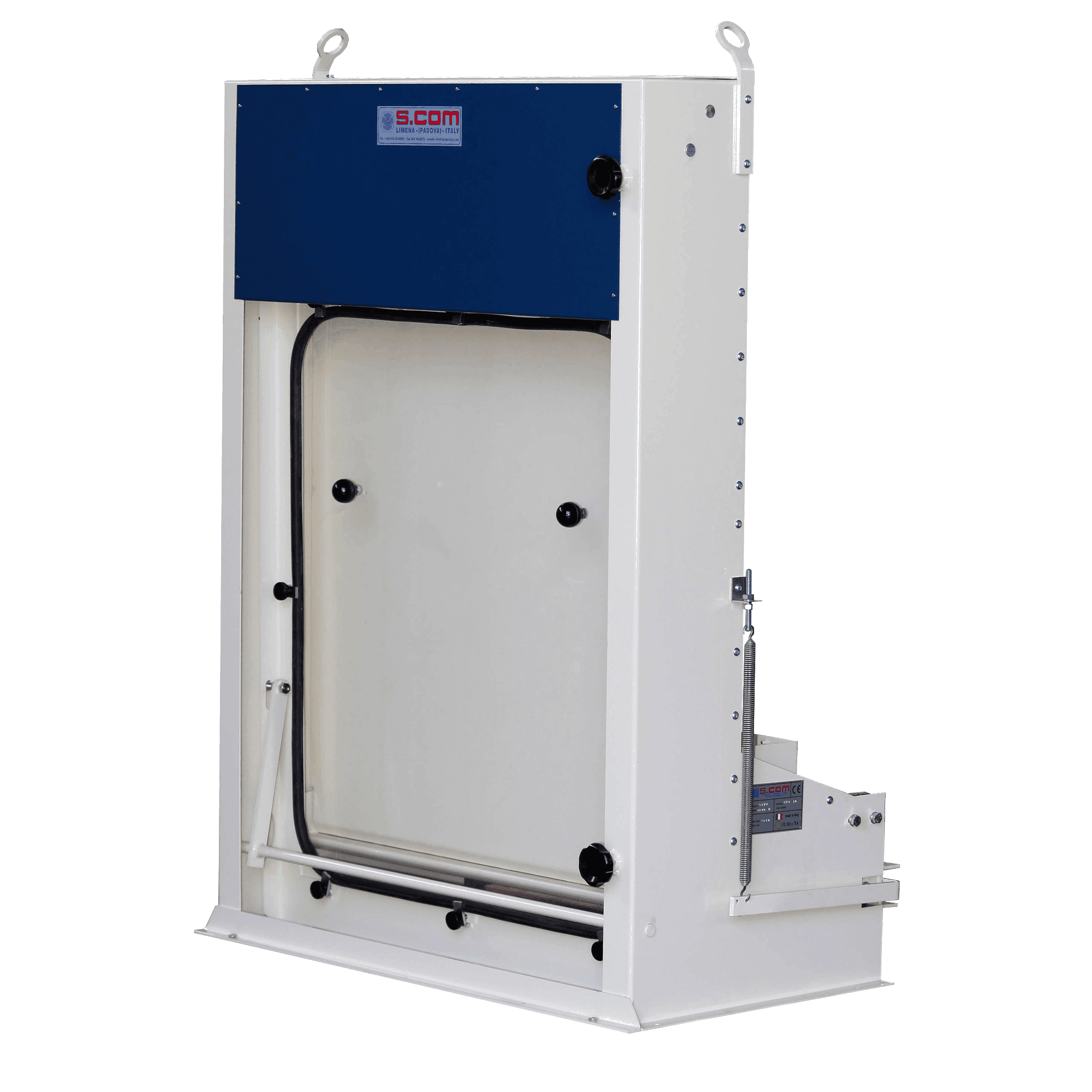
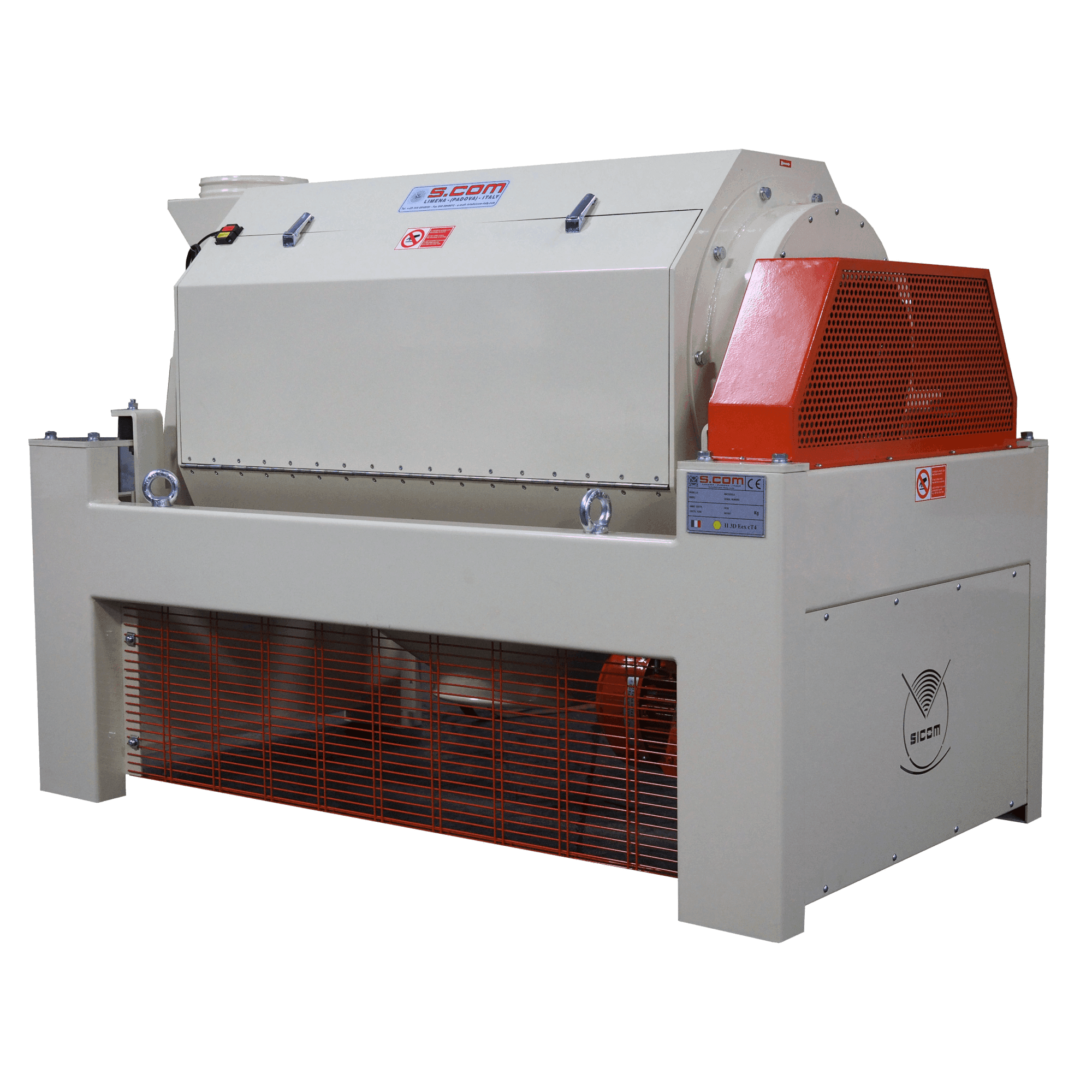
Tarara verticale STVA
Pre-cleaning (L line, up to 90 t/h) and cleaning (N line, 2–15 t/h) of grains and light impurities: straw, weed seeds, broken kernels.
With correctly tuned aspiration channels and the right size for your flow rate, the STVA extracts only the light seed while preserving the good product: the optimal result is set during commissioning, not after start-up.
Separatore rotazionale SR14
Grain-size classification paired with the tarar (SR14/1, /3, /5 — 5/10/15 t/h with STVA N).
Sieve selection during commissioning — calibre and frame geometry — defines the purity of the fraction: with proper setup the SR14 separates precisely without losing good product.
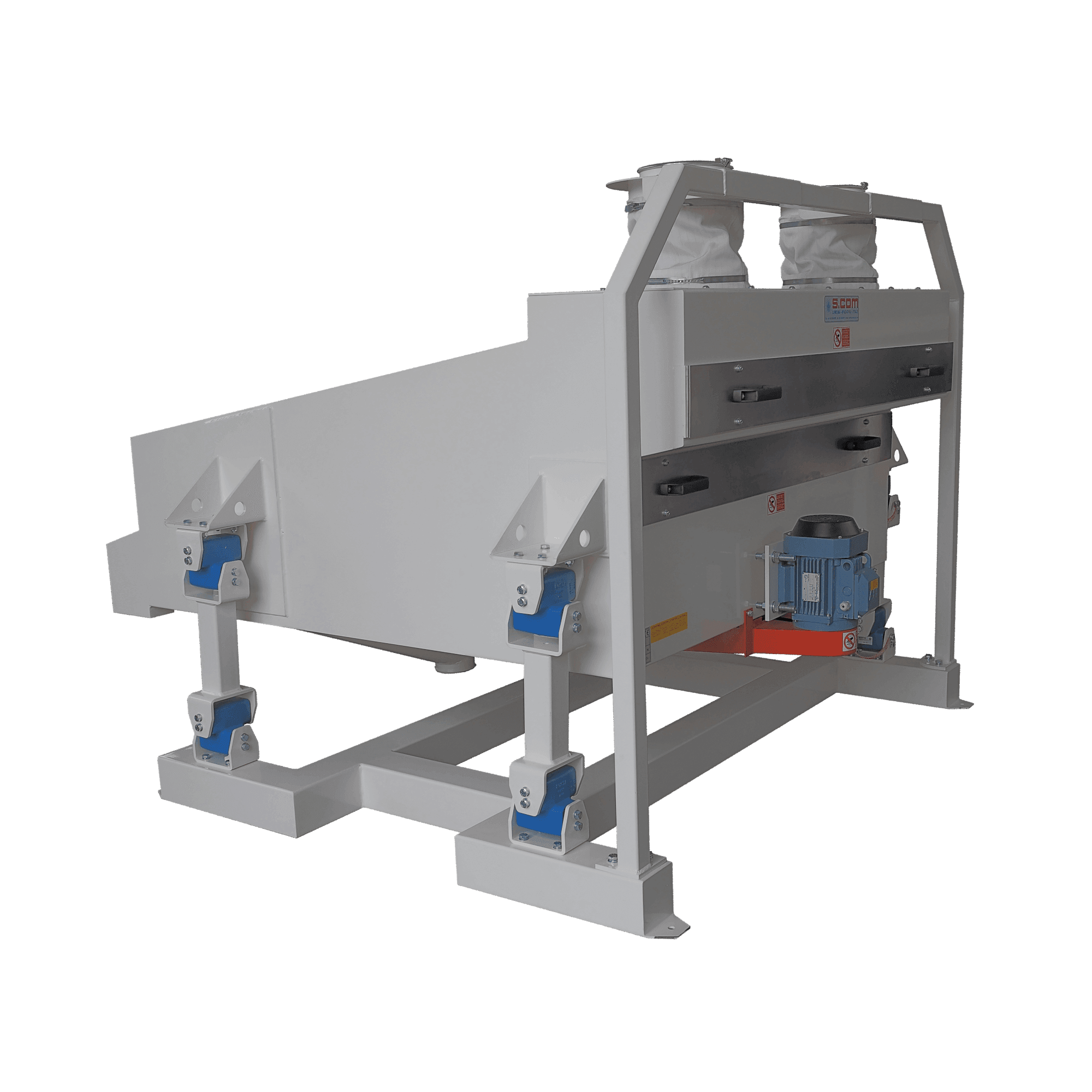
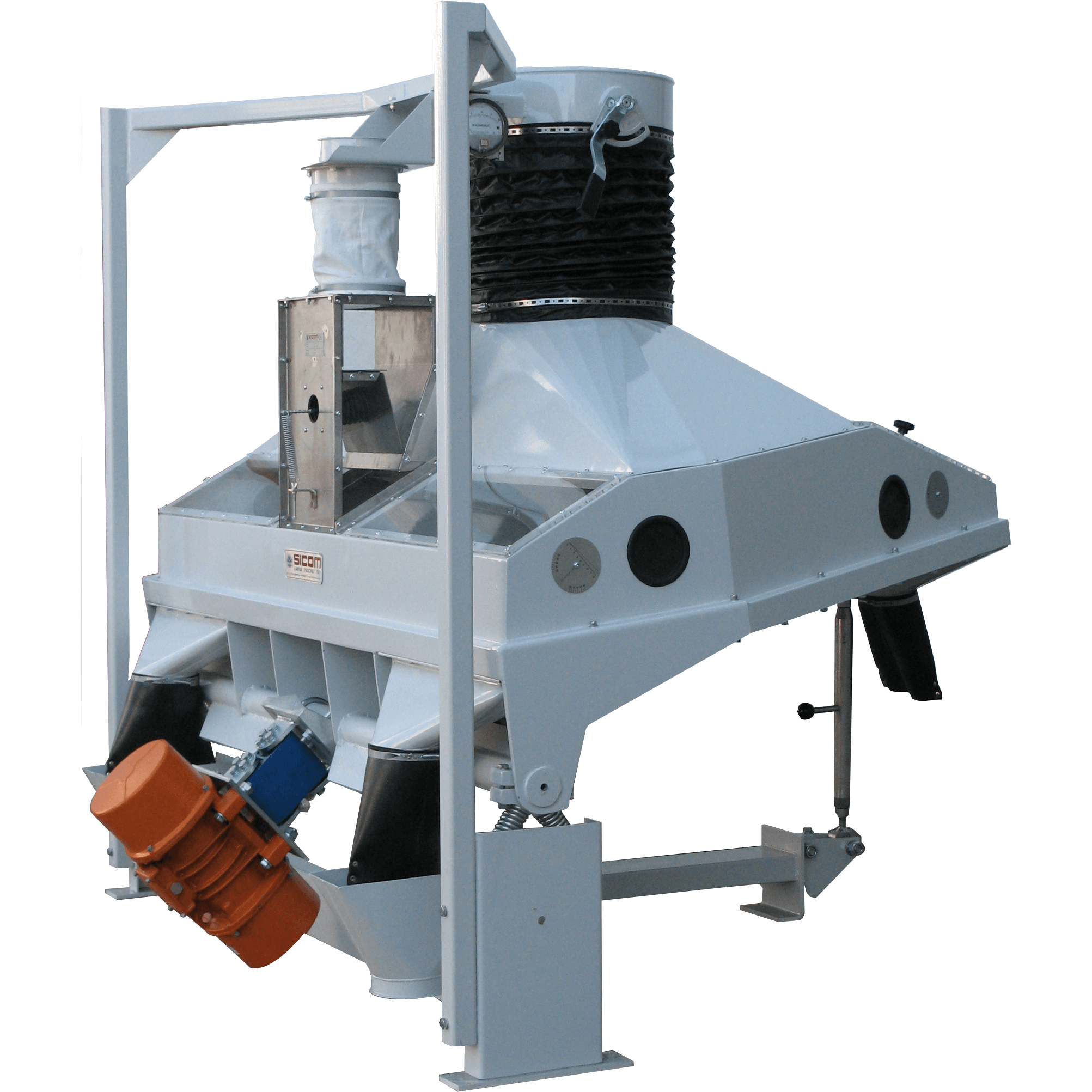
Spietratore a secco (Dry Destoner)
Dry removal of stones and heavy bodies, no water required.
Fine adjustment of the air flow and deck inclination is what separates a destoner that loses product from one that separates 100%: it is tuned on your grain, not on standard values.
Spazzola orizzontale VO / VibroBrush
Kernel surface brushing, dust removal in the final cleaning stage.
Rotation speed and inclination are tuned to the kernel type: with the right setup the horizontal vibro-brusher polishes without weakening the seed.
Let’s assess your line together
We test your product on our test bench and propose the right configuration: contact us for a tailored quotation.


