
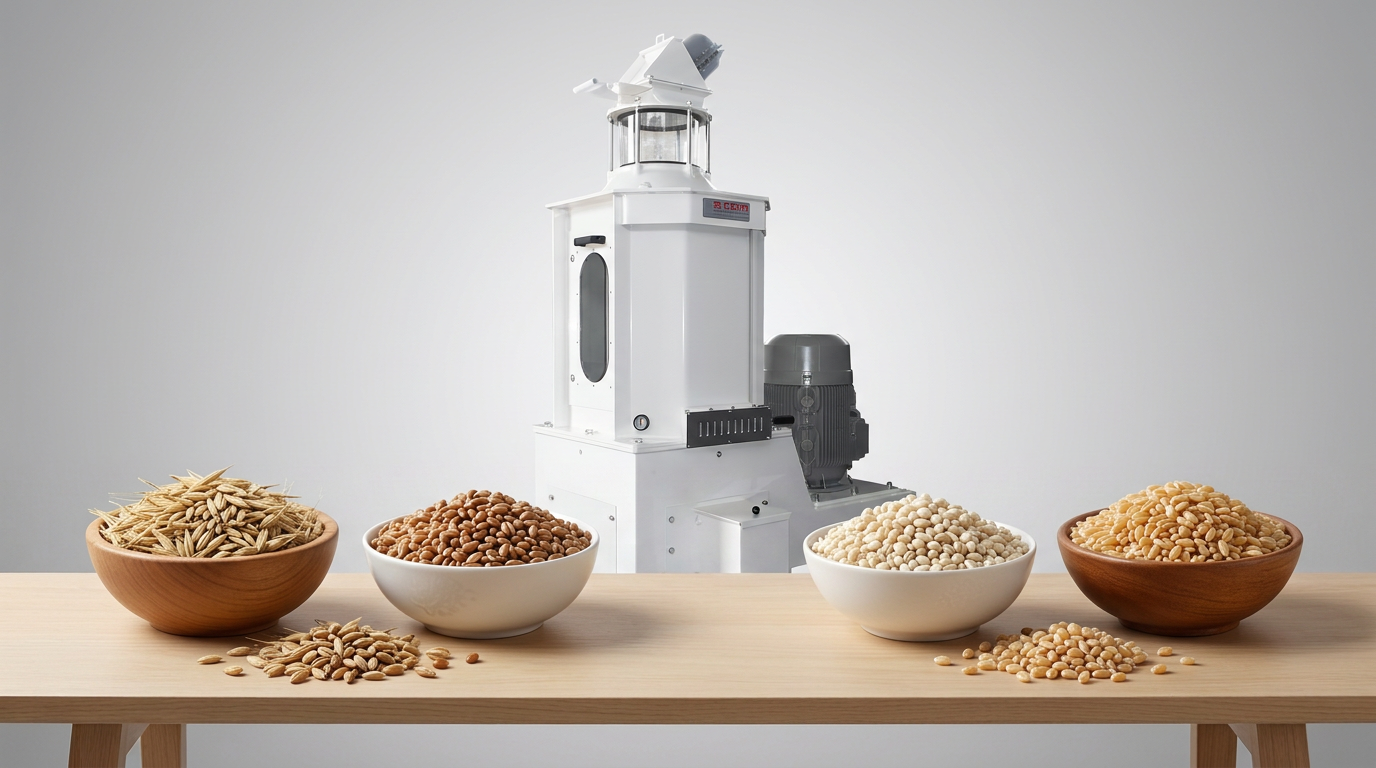
Dehulling barley and durum wheat: before and after the DEO
Husks and outer layers removed, kernel ready for milling: the DEO dehuller is the step that opens the processing of pearl barley and durum wheat semolina.
Before and after dehulling
Same kernel, two different destinies: with every layer removed, raw barley turns into pearl barley, while durum wheat frees the endosperm that will become semolina.
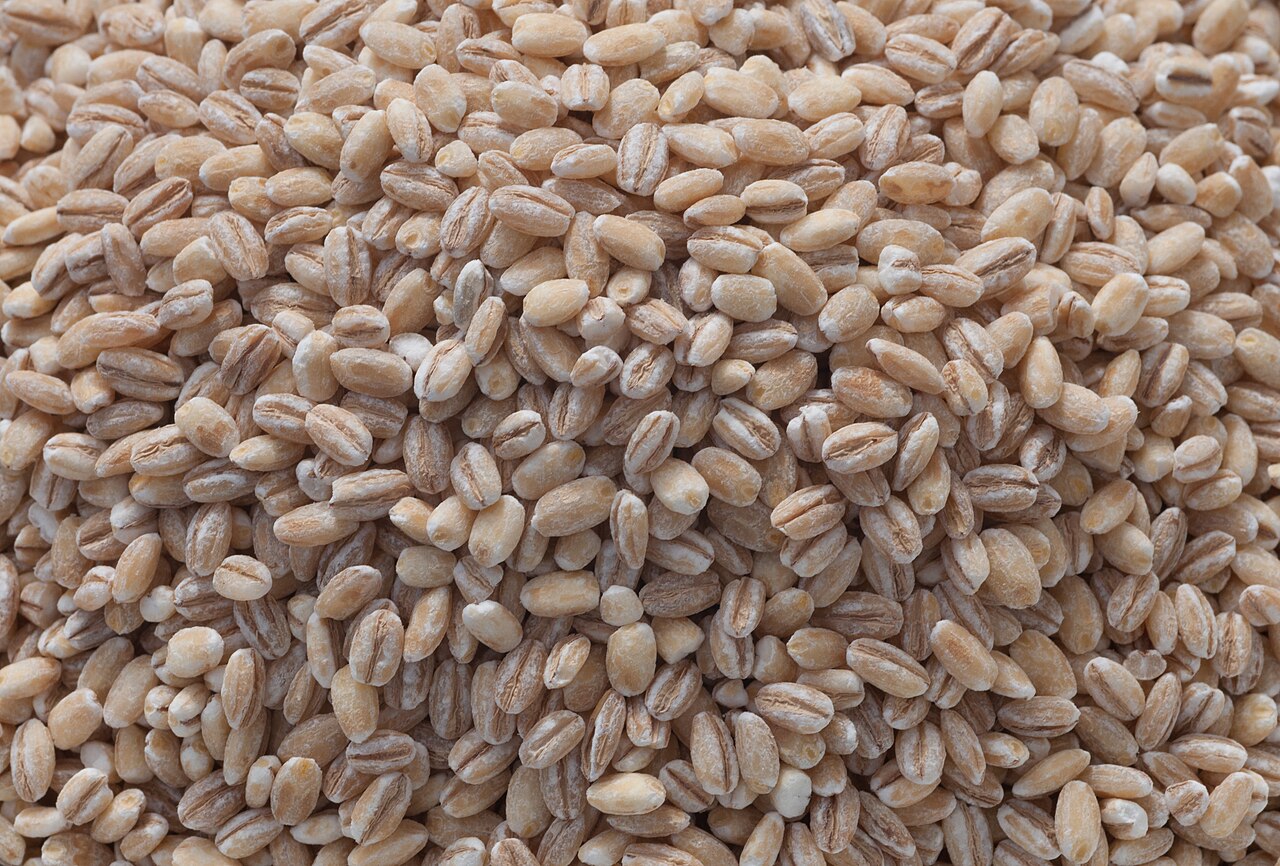
From raw to pearled
Every pass through the DEO removes a layer: the more passes, the finer the pearling. The kernel turns smooth, bright and ready for soups, stews and roasting.
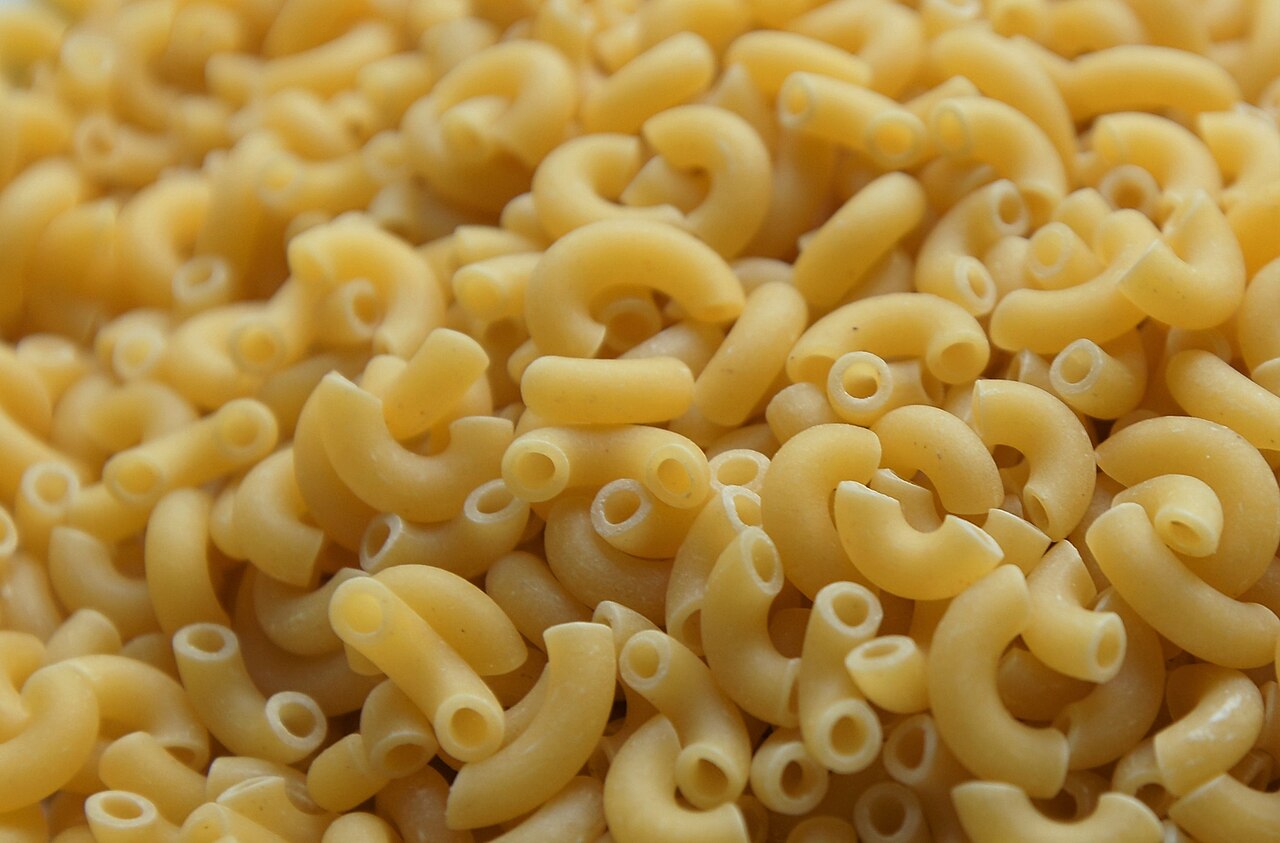
Freeing the semolina
Removing the outer coating before milling means brighter, cleaner semolina with no dark specks, for high-quality pasta.
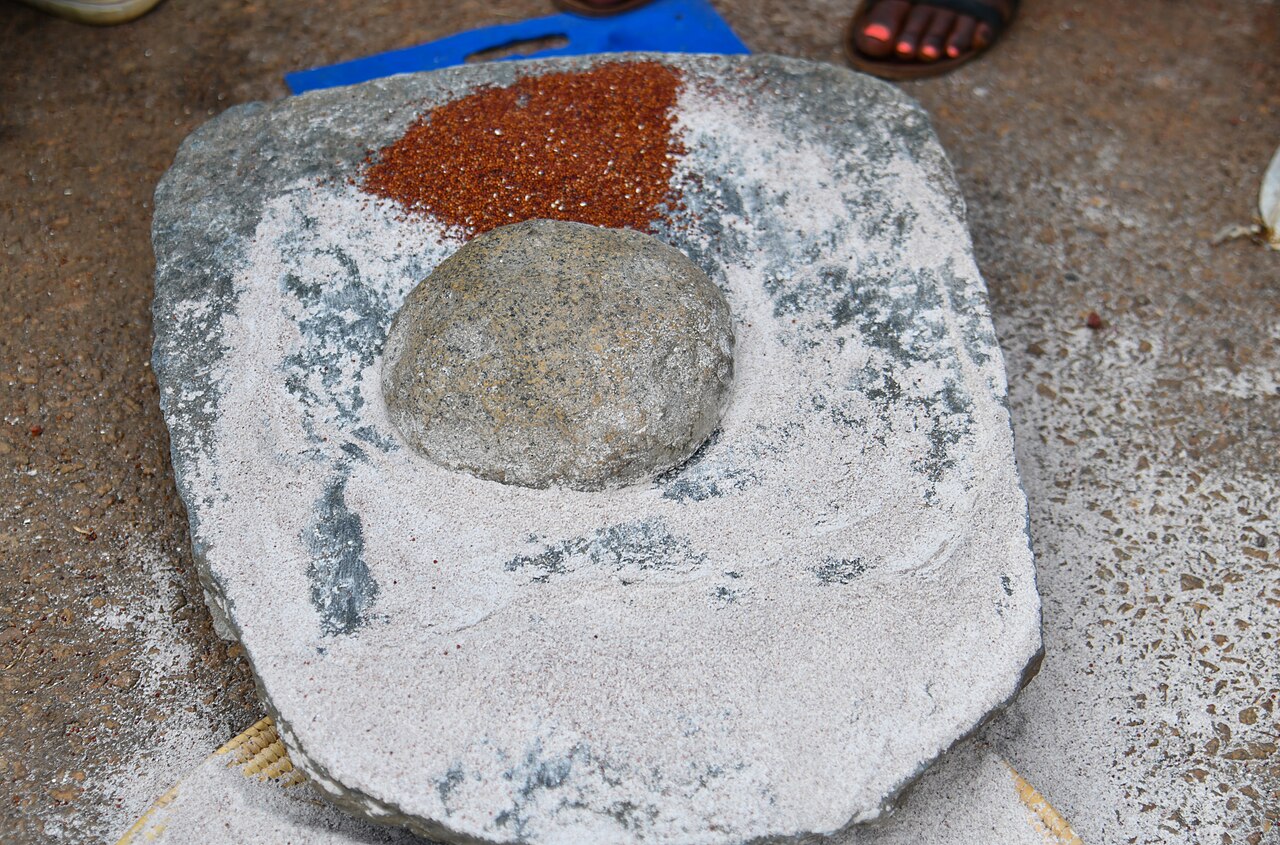
The base of every milled product
A clean dehulling step makes milling more efficient: less waste, higher yields, homogeneous flours from the very first pass.
What changes in the kernel
Raw cereal
- Barley wrapped in bristly husks
- Durum wheat with its dark outer coating
- Impurities and dust on the surface
- Laborious milling, limited yield
Edible kernel
- Smooth, bright, glossy pearl barley
- Durum wheat ready for semolina milling
- Clean surfaces, no residues
- Higher milling yield
Why dehull with the DEO
Layer-by-layer removal: from the same barley you get dehulled grain, pearl barley and groats.
Whole kernels with clean surfaces: golden semolina with no dark specks, uniform pearl barley.
Less milling waste and fewer rejects: more value from every tonne.
Fits upstream of S.COM cleaning, calibration and milling without changing the line.


