
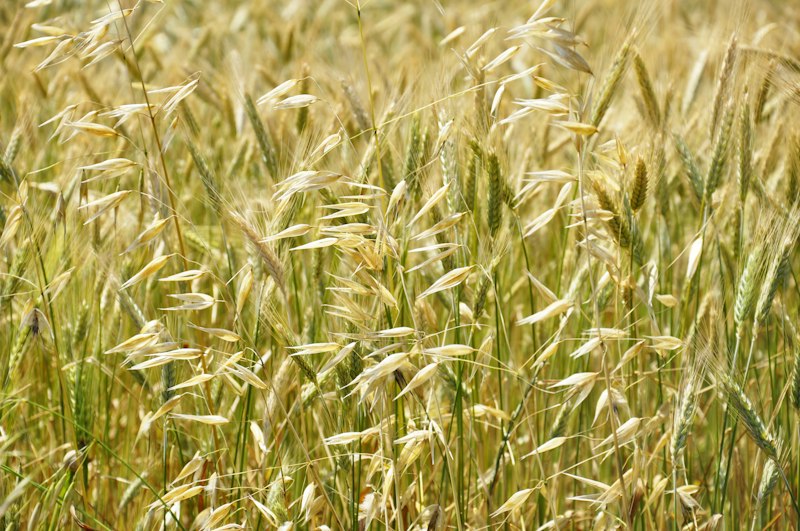
Discover the recommended line, the impurities to remove and the economic benefits of proper cleaning.
Impurities in the harvest: what enters the line
Before choosing machines, it helps to know what has to be removed: average sizes and the reason for the risk.
| Impurity | Average size | Why it is a problem |
|---|---|---|
| Glumes and chaff | 2–8 mm | Bitterness and dark colour in the dehulled product; high dust load. |
| Weed seeds | 1–3 mm | In oats: ryegrass seeds, unacceptable for food destinations. |
| Stones | 2–10 mm | Damage to abrasive dehullers. |
| Naked and broken kernels | variable | Lower dehulling yield: they become flour instead of pearled grain. |
Benefits for downstream processing
Every impurity removed at intake produces a measurable benefit for downstream processing and for costs.
A flexible line for such heterogeneous products avoids dedicated lines: a single investment, more processable raw materials.
Removing the glume during brushing shortens dehulling time and abrasive consumption.
Pre-dehulling cleaning raises the pearled-grain yield: the key economic parameter for spelt and dehulled oats.
Recommended machines
Every machine has a precise role in the cleaning diagram: the function, the right machine and, for each one, the tuning note that makes the difference.
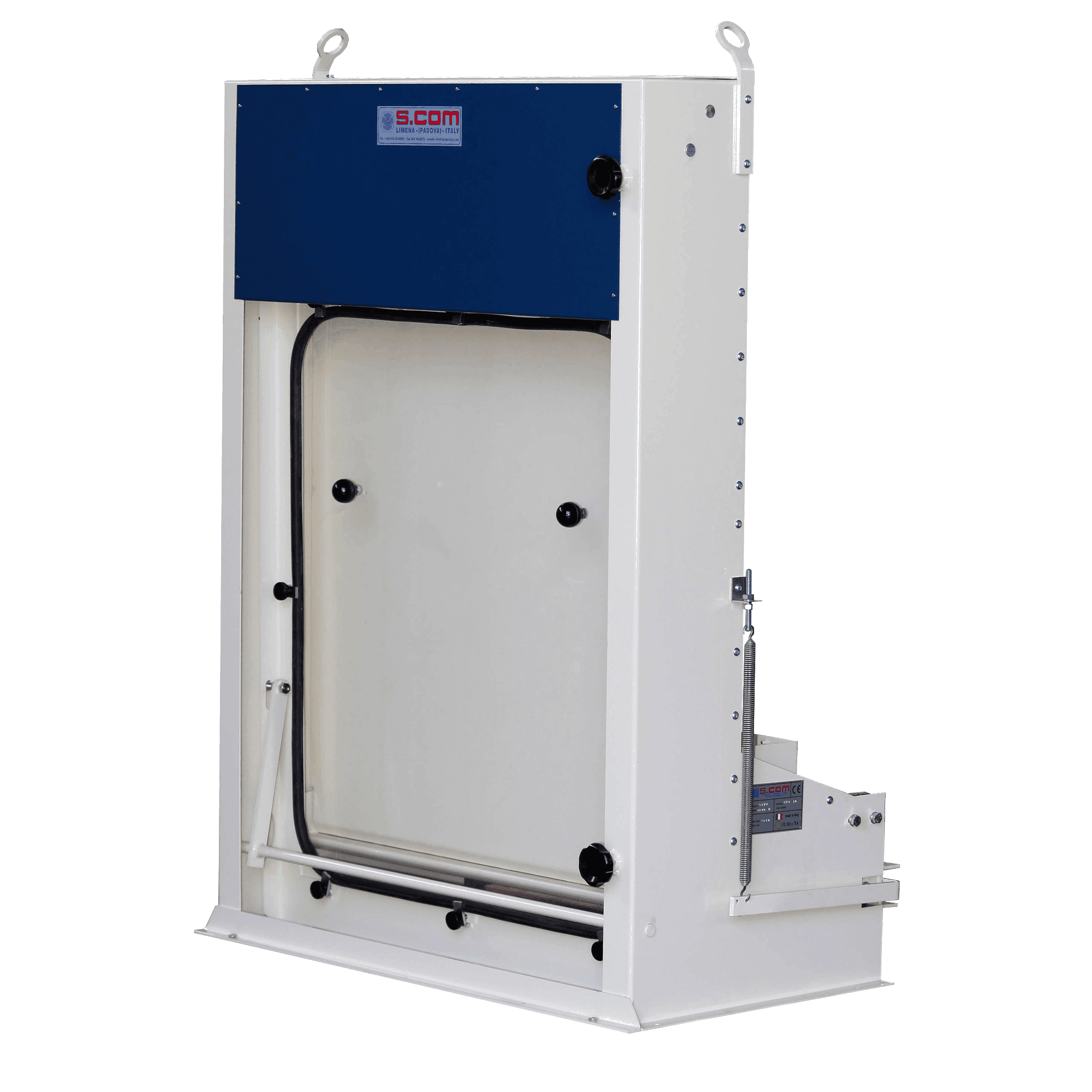
Tarara verticale STVA
Handling of products highly heterogeneous in weight and size (L line for chaff and glumes).
With correctly tuned aspiration channels and the right size for your flow rate, the STVA extracts only the light seed while preserving the good product: the optimal result is set during commissioning, not after start-up.
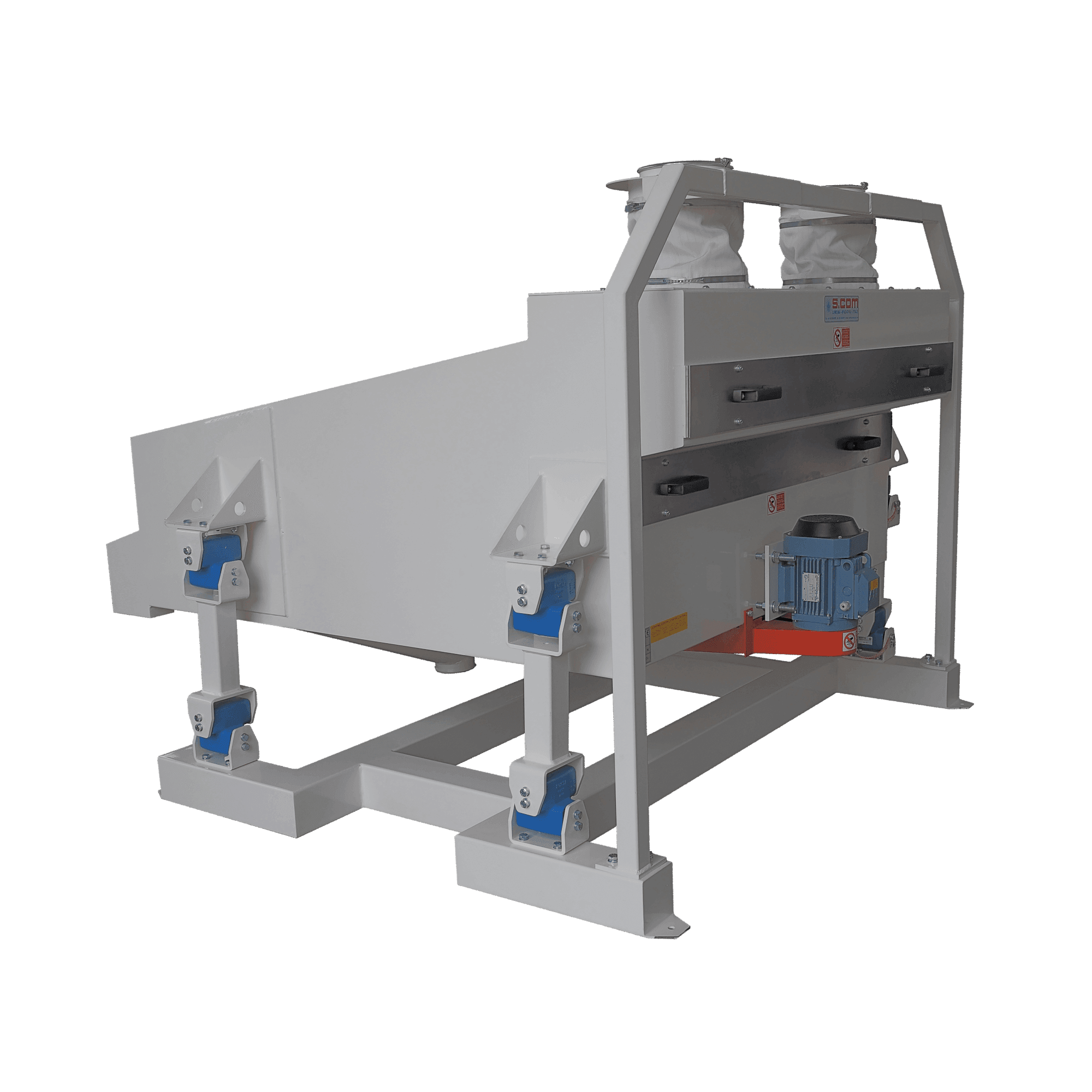
Separatore rotazionale SR14
Configurable sifting for the wide calibre variability of spelt and oats.
Sieve selection during commissioning — calibre and frame geometry — defines the purity of the fraction: with proper setup the SR14 separates precisely without losing good product.
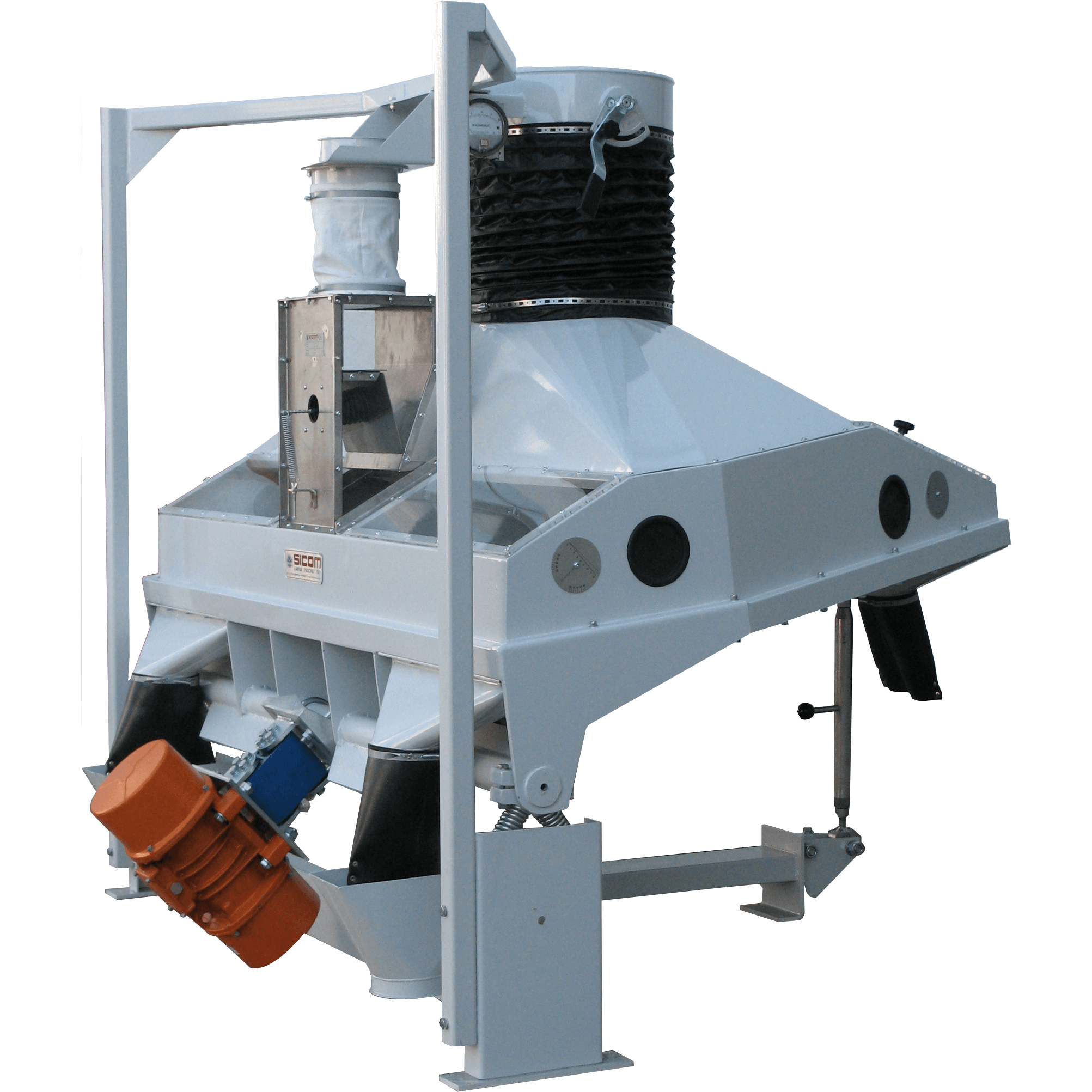
Spietratore a secco
Stones typical of low-input field practices.
Fine adjustment of the air flow and deck inclination is what separates a destoner that loses product from one that separates 100%: it is tuned on your grain, not on standard values.
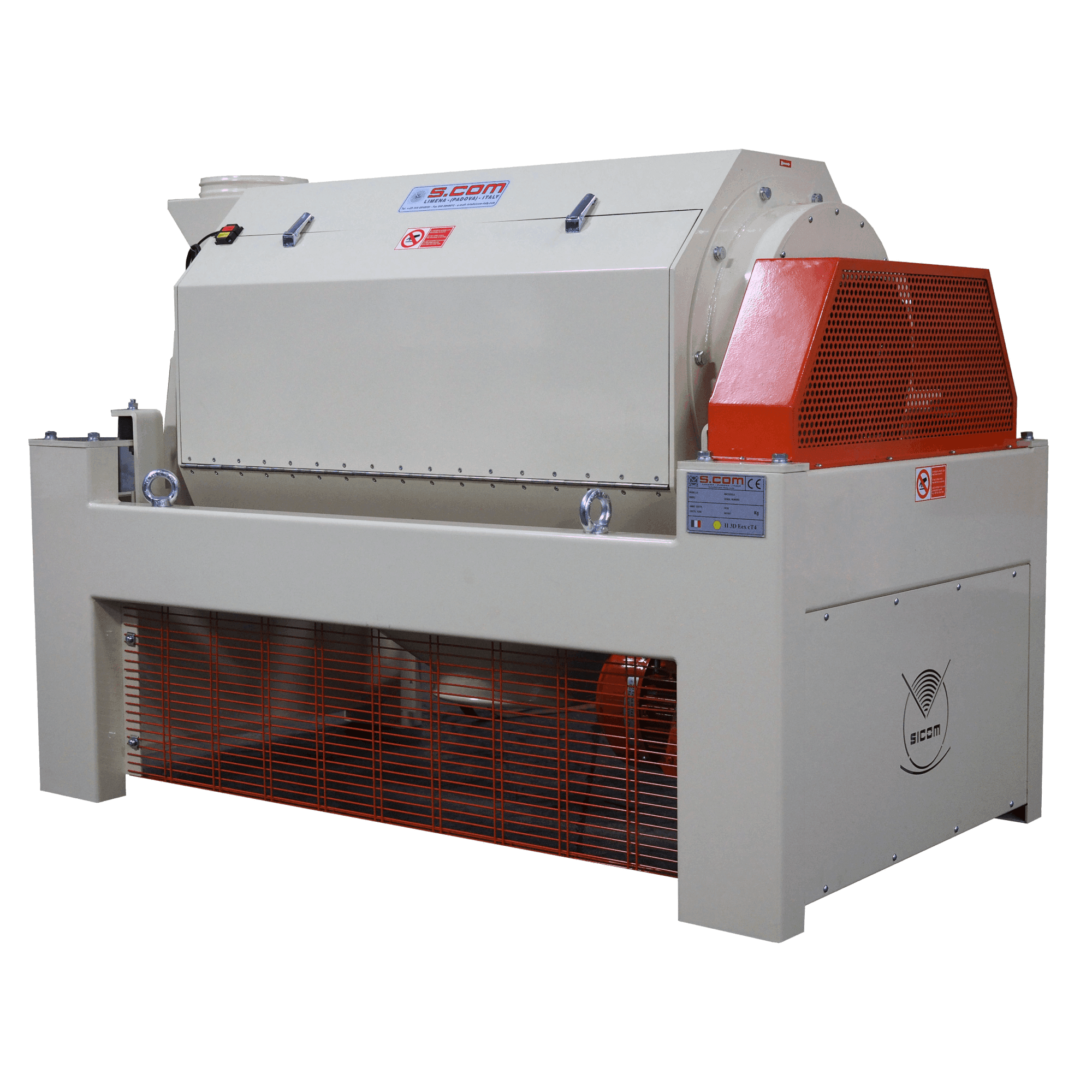
Spazzola orizzontale VO
Removal of the adhering glumes typical of oats and rye.
Rotation speed and inclination are tuned to the kernel type: with the right setup the horizontal vibro-brusher polishes without weakening the seed.
Let’s assess your line together
We test your product on our test bench and propose the right configuration: contact us for a tailored quotation.


