
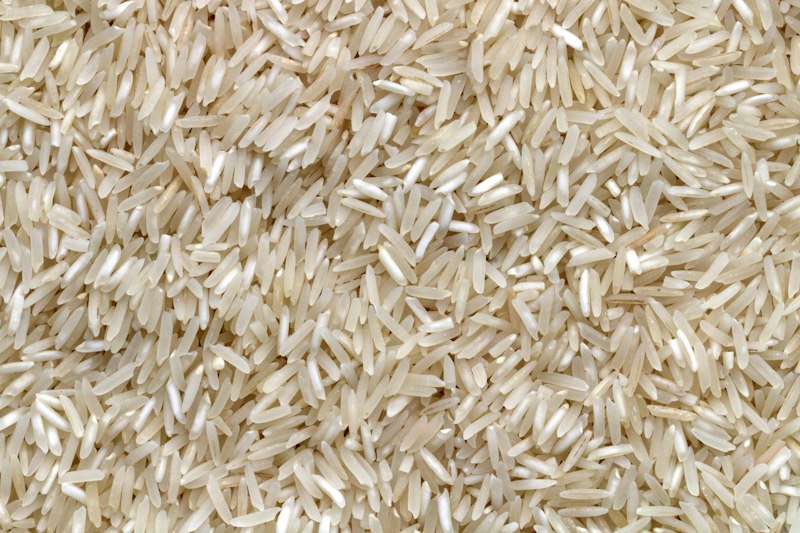
Discover the recommended line, the impurities to remove and the economic benefits of proper cleaning.
Impurities in the harvest: what enters the line
Before choosing machines, it helps to know what has to be removed: average sizes and the reason for the risk.
| Impurity | Average size | Why it is a problem |
|---|---|---|
| Straw and stalks | > 10 mm | Blockages in feeders and rubber-roll huskers. |
| Stones | 2–8 mm | Damage to huskers and abrasives. |
| Barnyard grass and other grass seeds | similar to the rice kernel (3–6 mm) | Very hard to separate downstream: must be removed by weight/size at intake. |
| Dust | < 0.5 mm | Bacterial load on the brown/wholegrain kernel. |
Benefits for downstream processing
Every impurity removed at intake produces a measurable benefit for downstream processing and for costs.
For rice, intake cleaning is cheaper than downstream correction: a foreign seed entering the husker costs more than its weight in refined rice.
Pre-cleaning reduces the load on rubber-roll huskers and the frequency of rubber regrinding: maintenance scheduled further apart.
Less dust at intake means brown rice with a lower bacterial load: fewer rejects in final optical sorting.
Recommended machines
Every machine has a precise role in the cleaning diagram: the function, the right machine and, for each one, the tuning note that makes the difference.
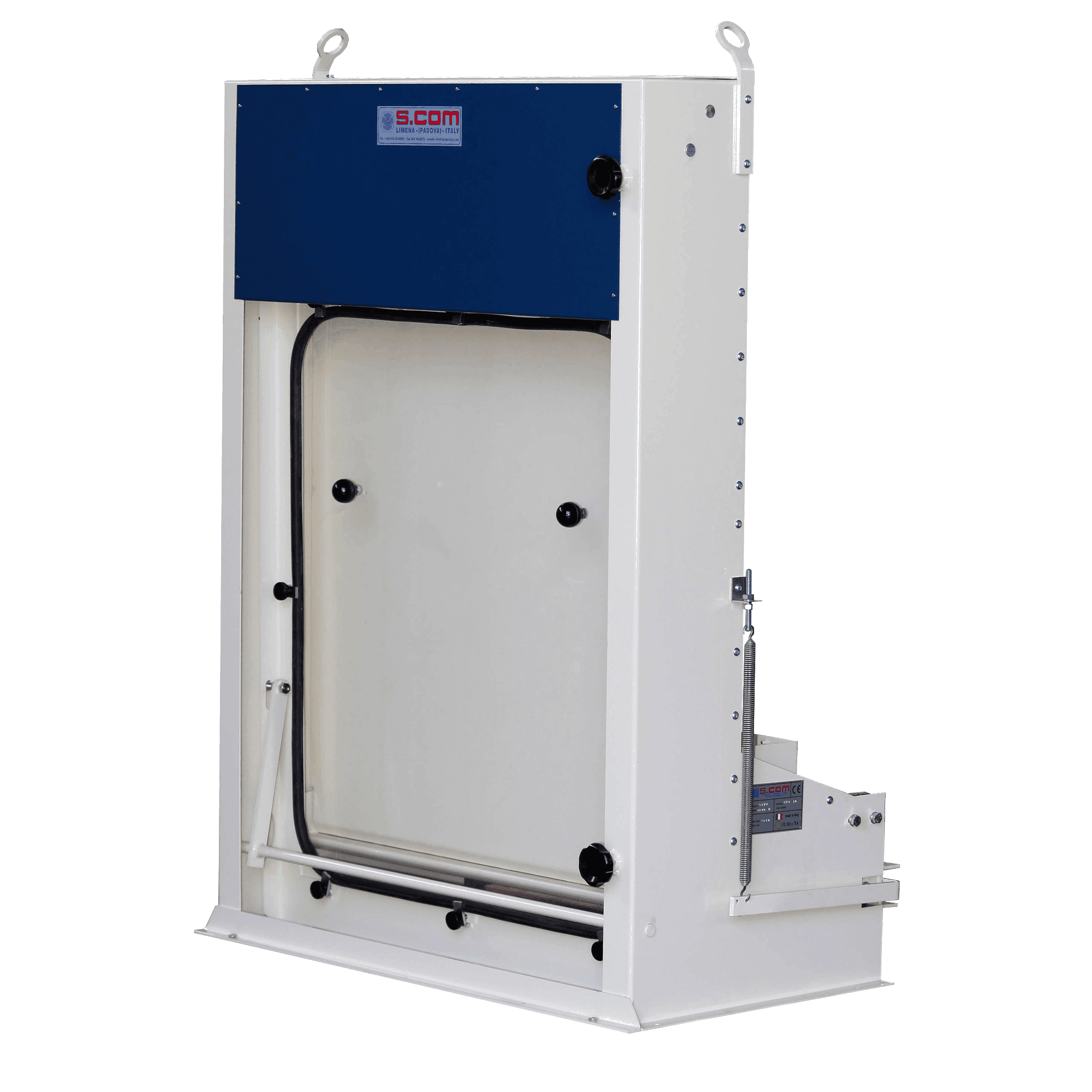
Tarara verticale STVA linea L
Pre-cleaning of raw paddy at field intake.
With correctly tuned aspiration channels and the right size for your flow rate, the STVA extracts only the light seed while preserving the good product: the optimal result is set during commissioning, not after start-up.
Separatore rotazionale SR14
Coarse selection of straw and bulky impurities.
Sieve selection during commissioning — calibre and frame geometry — defines the purity of the fraction: with proper setup the SR14 separates precisely without losing good product.
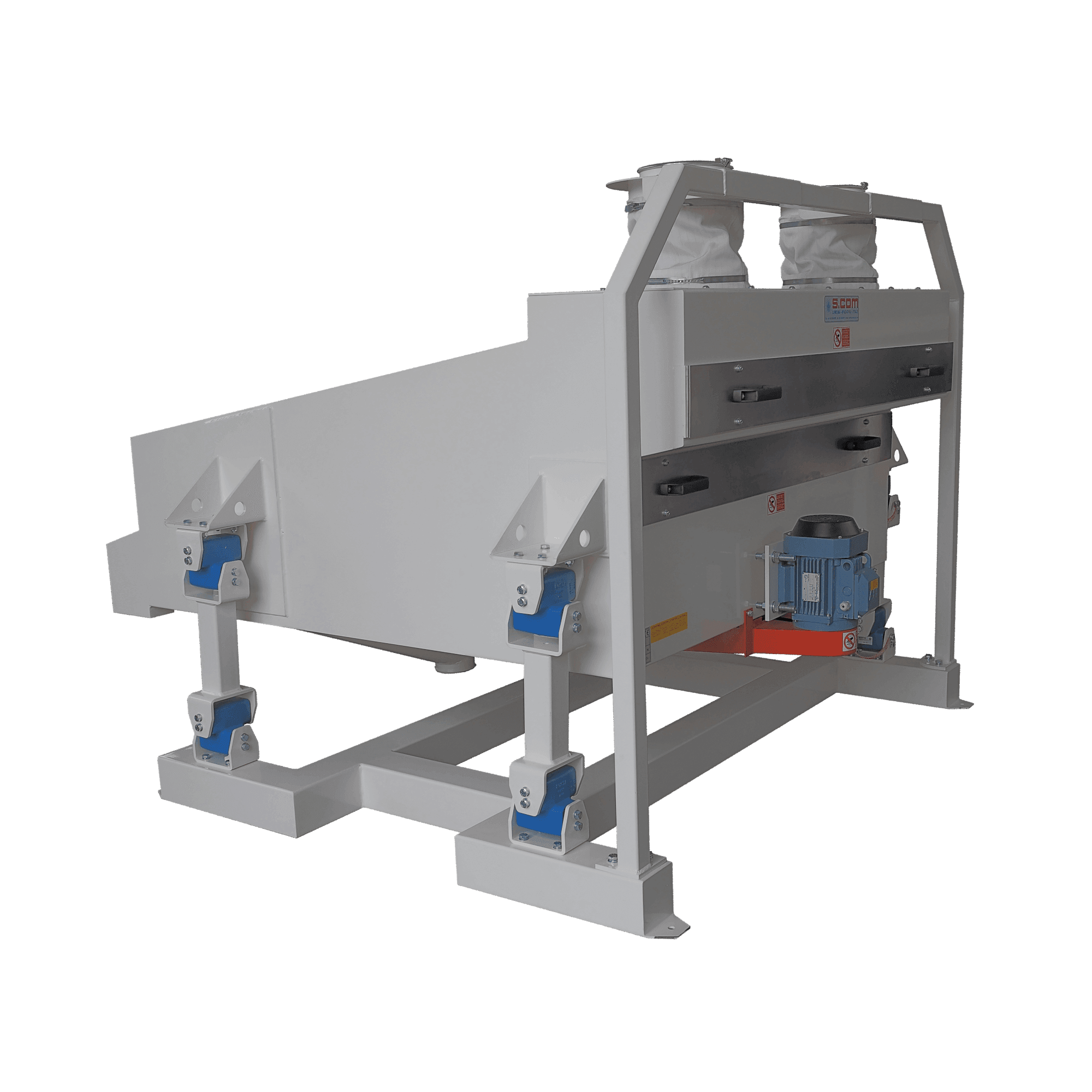
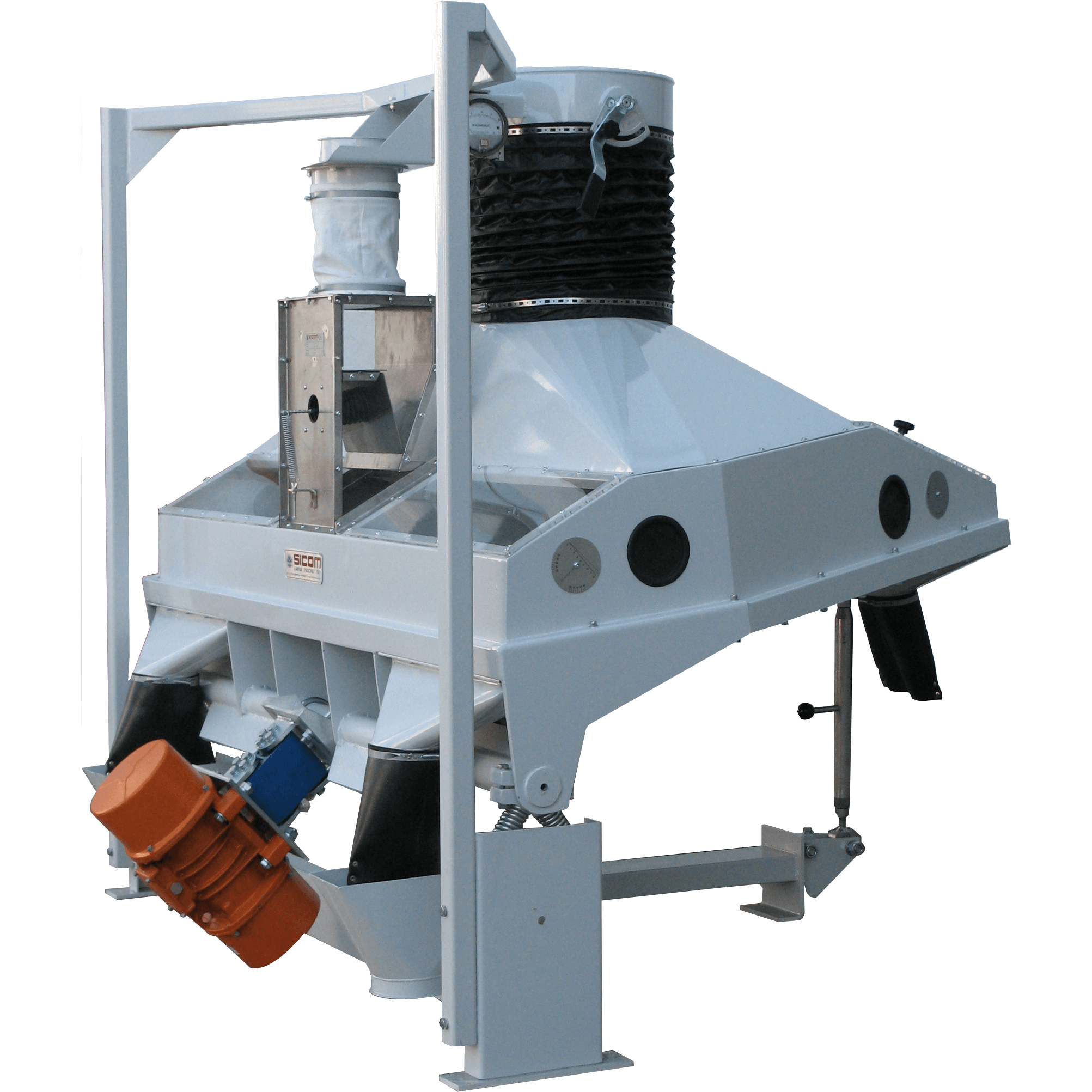
Spietratore a secco
Stones and rocks typical of paddy fields.
Fine adjustment of the air flow and deck inclination is what separates a destoner that loses product from one that separates 100%: it is tuned on your grain, not on standard values.
Let’s assess your line together
We test your product on our test bench and propose the right configuration: contact us for a tailored quotation.


